
 United Kingdom · Autumn 1872
Part of: Around the world in eighty days · 1 of 28
1 · Paris · 2 – 4 Oct
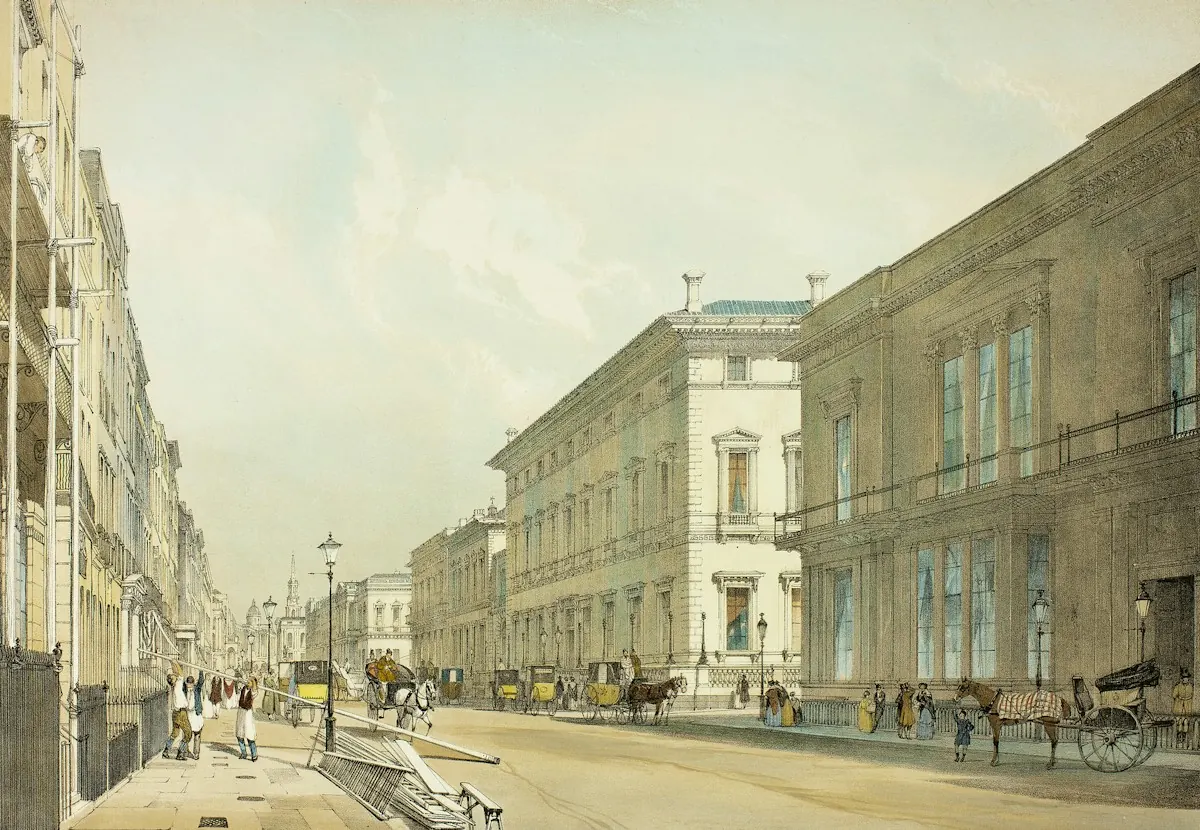
Charing Cross to Brindisi, by the timetable

Trip details
- When
- 2 Oct – 21 Dec 1872
- How long
- 81 days
- Who went
- Me, Passepartout, and from Pillaji, Aouda
- Stops
- 28
- Getting around
- 40,000 km by steamer, rail, elephant and sledge
In this story · 3 chapters
The first leg of the journey contained nothing that a well-ordered timetable had not foreseen, which is the highest praise I know how to give a leg of a journey. I record it chiefly so that other travellers may see how the connections fit.
| Place | Arrived | Departed |
|---|---|---|
| Charing Cross, London | Wed 2 Oct, 8:45 pm | |
| Dover | Wed 2 Oct, about 11:00 pm | By the night boat |
| Calais | Thu 3 Oct, early | By the mail train |
| Paris, Gare du Nord | Thu 3 Oct, 7:20 am | Crossed the city by carriage |
| Paris, Gare de Lyon | Thu 3 Oct, 8:40 am | |
| Mont Cenis tunnel | Thu 3 Oct, night | |
| Turin | Fri 4 Oct, 6:35 am | Fri 4 Oct, 7:20 am |
| Brindisi | Sat 5 Oct, 4:00 pm | Aboard the Mongolia |
01 The gas
We had not cleared the outer suburbs of London when Passepartout gave a cry and clutched his hair. I asked what was the matter. In the hurry of packing, he said, he had forgotten to turn off the gas in his room at Savile Row. It was burning at that moment and would go on burning until we came home.
I told him that it would burn at his expense. He accepted this without argument, which I respected. By my reckoning, at the rate the gas company charges, it will cost him rather more each day than he earns from me. He has since told me that the thought of that small flame burning away in the empty house kept him honest for eighty days, because every hour lost was an hour of gas. I did not set out to give him an incentive. I am glad that one presented itself.
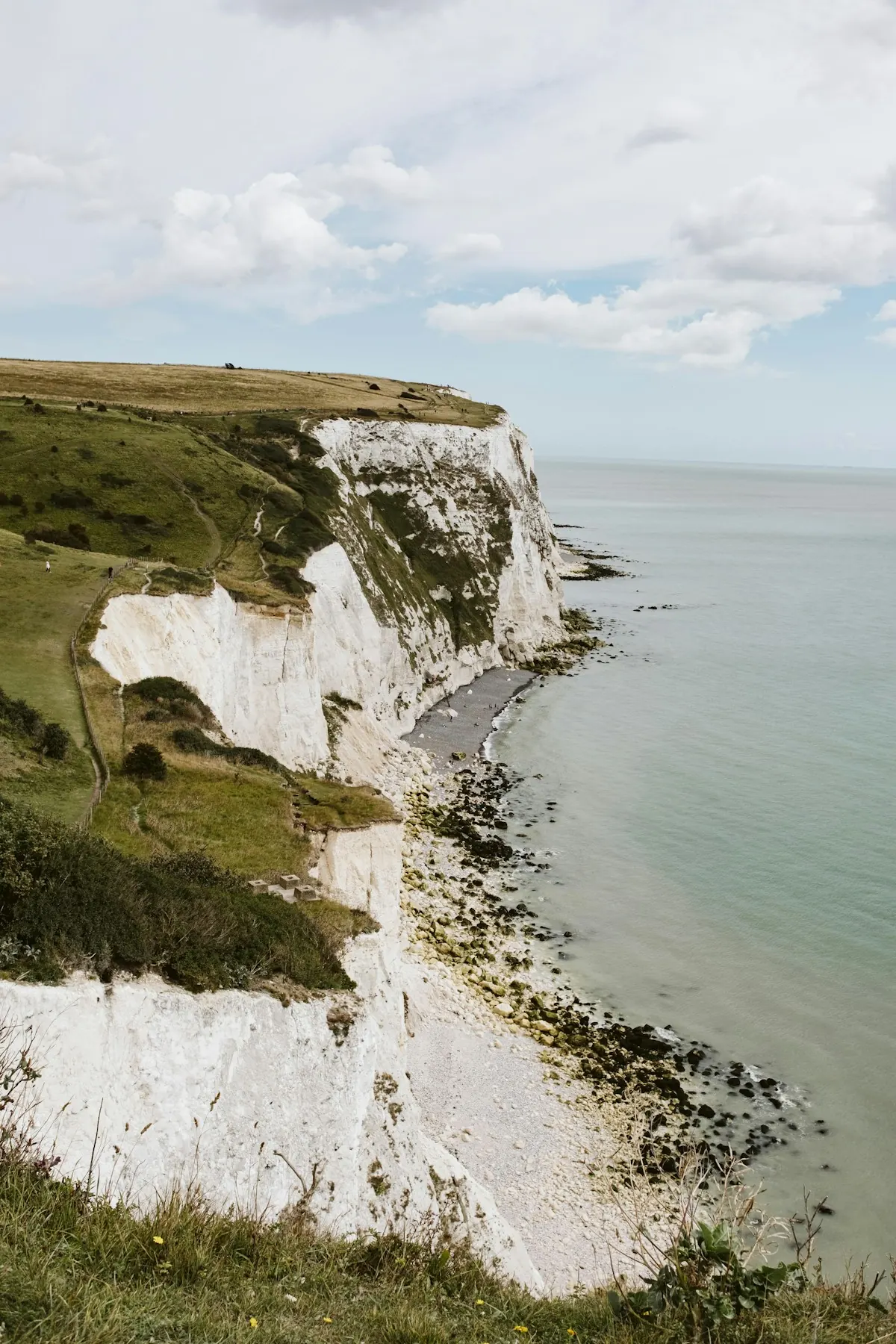
The crossing was rough and short. Passepartout was not ill, or not much. I slept in the saloon for an hour and a half and woke at Calais, where the mail train was waiting with its doors open, as it ought to be.
02 Paris through a carriage window
We reached the Gare du Nord at twenty minutes past seven on Thursday morning and had an hour and twenty minutes to reach the Gare de Lyon. I took a closed carriage and we drove straight across. I had no business in Paris and saw no reason to invent any.
Passepartout, however, had not seen his city for five years. He sat with his face to the glass the whole way and named everything we passed, the boulevards, a church, a café where he had once sung for his supper, a corner where a fire engine of his company had overturned. Some of the streets were still marked by the war and the troubles of last year, and he fell quiet at those. I did not hurry him, there being nothing to hurry, but I did not stop the carriage either. He has since said that this was correct of me, and that if I had stopped it he might not have got back in.

We left the Gare de Lyon at 8:40 and ran south all day through Burgundy, which looked well, and up into the Alps, which looked cold. The tunnel under the Mont Cenis was opened only last year. It is nearly eight miles long and takes something under half an hour by train. Passepartout held his breath at the entrance as though we were going under water. He let it out, I am told, somewhere near Italy.
03 Italy, lengthwise
Turin at 6:35 on Friday morning, and out again at 7:20 for Brindisi, which is at the heel of the country and a very long way down it. The line runs along the Adriatic for most of a day and a night. I read Bradshaw, and then the Italian timetables, which I found less exact but not seriously deficient. Passepartout bought oranges at every station and offered me one each time. I accepted the third.
At Turin there was time for coffee in the station buffet, which was excellent, and for Passepartout to ask me a question he had evidently been preparing since Paris. He wished to know whether, in my opinion, a man who went round the world in eighty days would see anything of it at all. I said that he would see the inside of a great many railway carriages and the deck of several ships, and that both were very instructive. He said, with great politeness, that he would look at the rest on my behalf, and report. I told him that was acceptable, provided he reported briefly and caught every train. He has kept the first condition poorly and the second faithfully.
We reached Brindisi at four in the afternoon of Saturday the 5th of October. The Peninsular and Oriental steamer Mongolia was lying at the quay with steam up. We went aboard without delay.
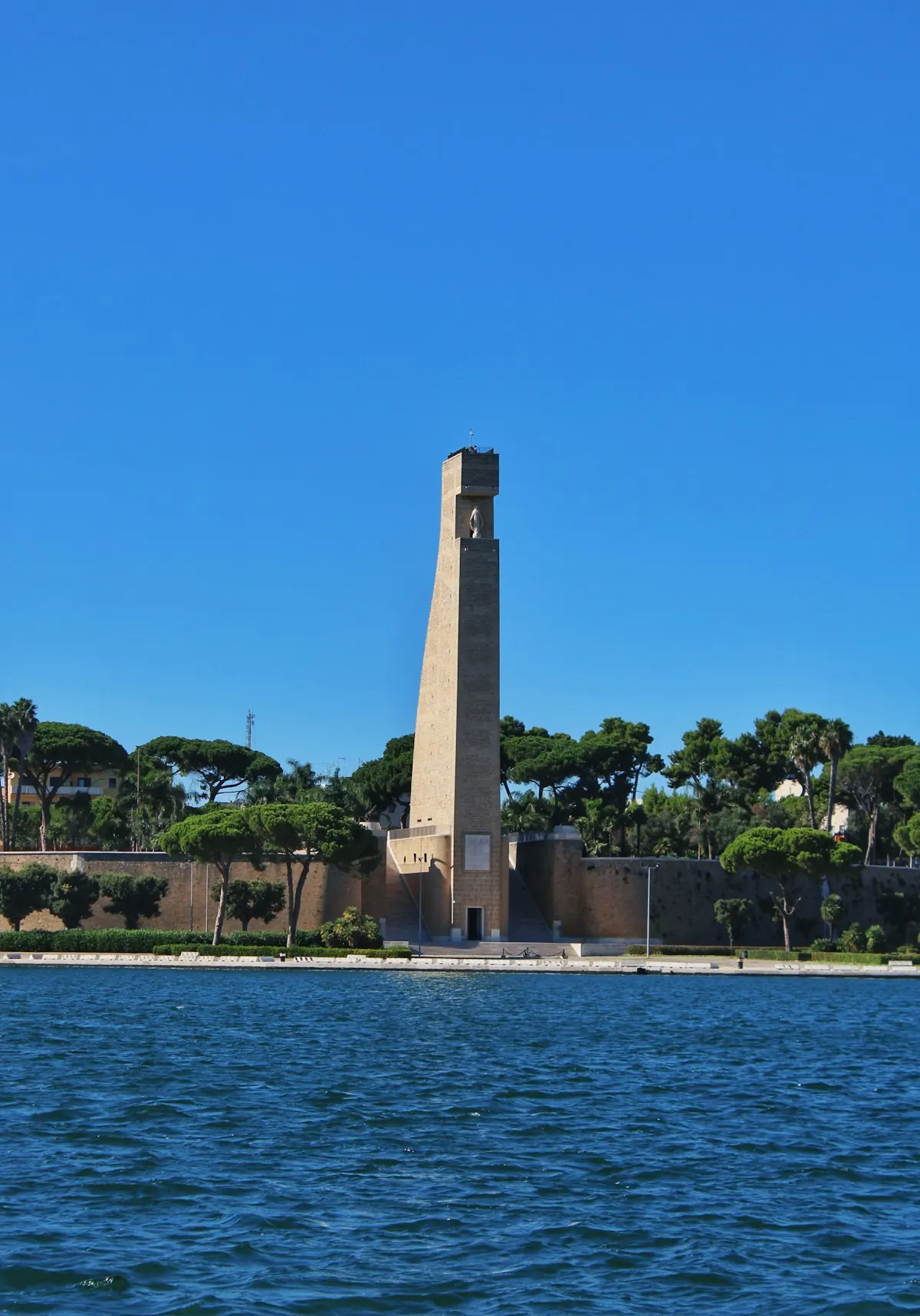
Balance: three days and nineteen hours used. Nothing gained, nothing lost. The Chronicle's table holds.
Paris, then Turin, then Brindisi