
 United Kingdom · Autumn 1872
Part of: Around the world in eighty days · 6 of 28
6 · Bombay · 20 – 22 Oct
Bombay, and Passepartout's shoes

Trip details
- When
- 2 Oct – 21 Dec 1872
- How long
- 81 days
- Who went
- Me, Passepartout, and from Pillaji, Aouda
- Stops
- 28
- Getting around
- 40,000 km by steamer, rail, elephant and sledge
In this story · 2 chapters
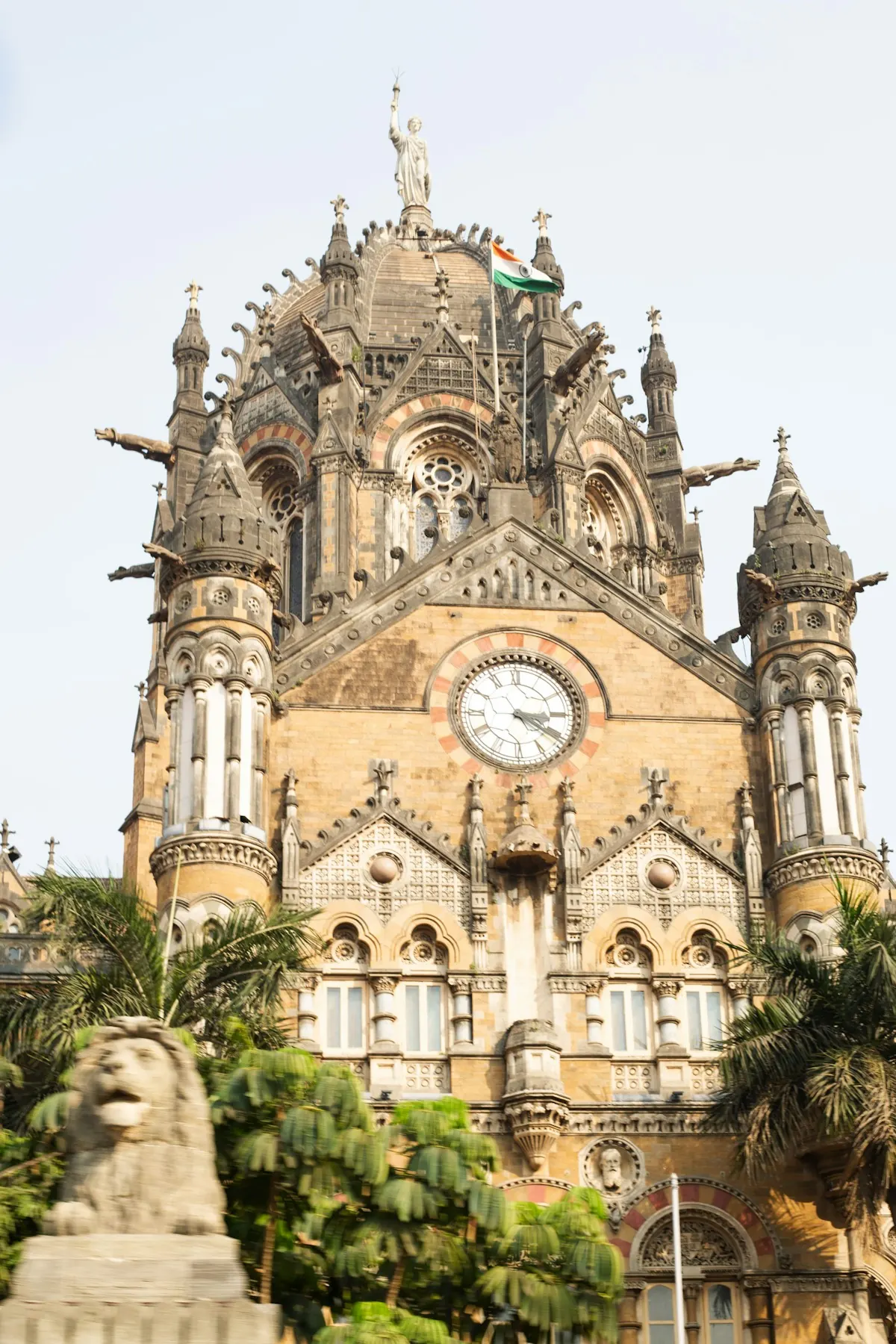
We had three and a half hours in Bombay between the Mongolia's arrival and the departure of the Calcutta train at eight. I used them as I would use three and a half hours anywhere. Passepartout used them as he would use three and a half hours anywhere. It is the difference between us, and in Bombay it very nearly cost us a good deal more than an evening.
I went first to the passport office and had my visa entered. I then walked to the railway station, ordered dinner in the refreshment room and ate it. The landlord recommended a stew which he described as rabbit. I tasted it and asked him to swear that it was rabbit. He swore. I did not finish it. I do not hold this against Bombay; I have had worse in Bath.
01 What Passepartout did
I had given Passepartout a list of errands, chiefly shirts and stockings, and told him to be at the station by eight. He bought the shirts and stockings in good time. He then went for a walk, because it was the first city outside Europe he had ever seen and he could not bring himself to sit in a refreshment room while it was going on outside.
I have his account of the next hour, given to me on the train with a great deal of feeling, and I summarise it. He walked through the native town, which he found crowded, bright and noisy in a manner he enjoyed very much. He watched part of a festival in the streets. He then climbed Malabar Hill and came upon a temple of great beauty, and, wishing to see the inside, he went in.
He did not know, and nobody had told him, that one removes one's shoes before entering such a place. It is a rule of ordinary respect, observed by every person who enters, and the British government in India, very rightly, punishes visitors who break it. Passepartout broke it without a thought. He was standing in the middle of the temple, admiring the carving, when three priests saw his feet and, quite understandably, took him for a man bent on insulting their religion. There was a struggle. He was knocked down. His shoes came off in it, and he left them behind him, along with his hat, as he ran down the hill.
He arrived at the station at five minutes to eight, out of breath, bareheaded, in his stockings, and without the parcel of shirts, which had gone the way of the hat. He had all his limbs and the carpet bag was safe at the station with me, so I did not regard the matter as serious. I told him so. I also told him that I hoped it would not happen again, and that the fault was entirely his, which he admitted at once and with great sincerity.
I should add, in fairness to the priests, that if a stranger walked into the Reform Club in muddy boots and climbed on to the dinner table to look at the ceiling, I believe the members would react in much the same way, if rather more slowly.
02 Who else was on the platform
I did not see Mr Fix on the platform at Bombay. I learned later that he had been there, and that he had watched Passepartout arrive in his stockings and listened, from behind a pillar, to the story of the temple. He had no warrant yet; he had been waiting for it since Suez, and it had still not come. But he had now, for the first time, a charge he could bring against us on Indian soil, with witnesses. He did not get on the train. He went instead to find the priests.
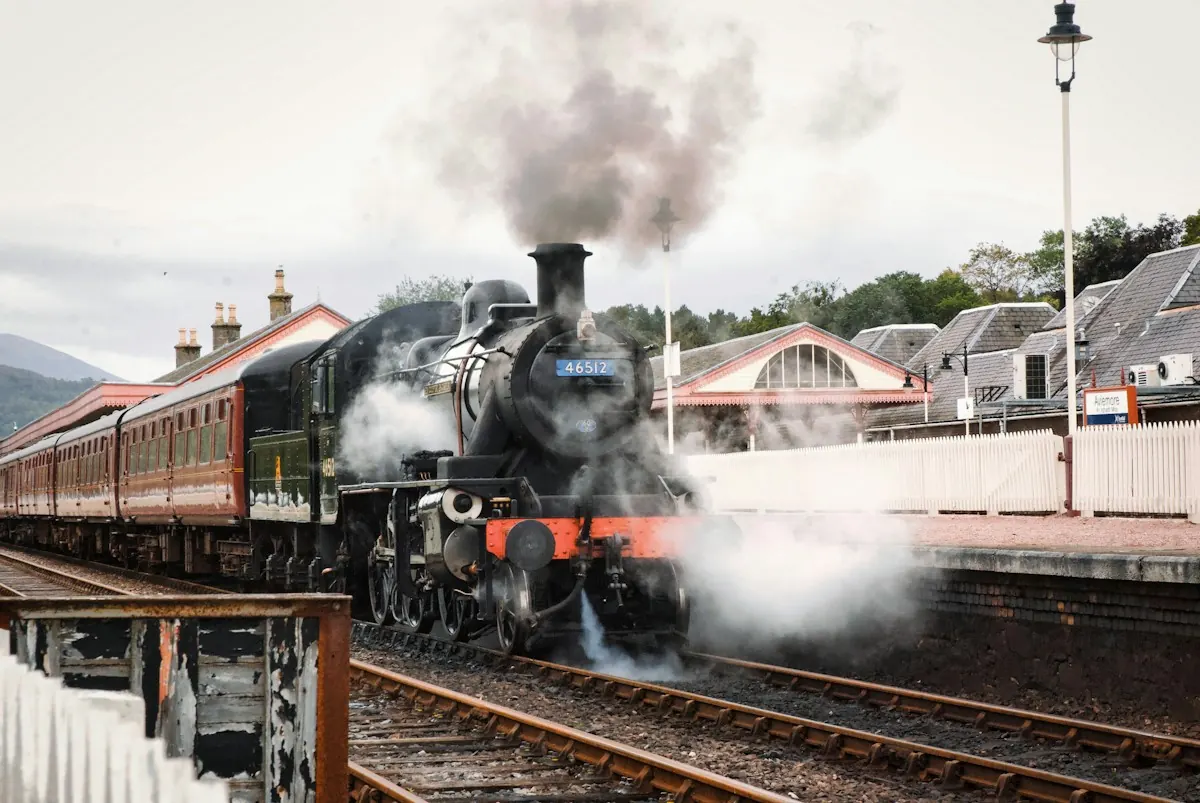
I knew none of this at the time. I knew only that Passepartout was barefoot, that the train was on time, and that I had found in the carriage a brigadier-general from the Mongolia, Sir Francis Cromarty, who had his cards with him.
The train left at eight o'clock exactly. Passepartout sat in a corner with his feet tucked under the seat and said very little for some hours. When at last he spoke, it was to ask me whether a man could buy shoes in India. I said I had no doubt of it.
Balance: two days in hand. One servant's shoes, one hat and six shirts written off.