
 United Kingdom · Autumn 1872
Part of: Around the world in eighty days · 28 of 28
28 · London · 20 – 21 Dec
Five minutes late


Trip details
- When
- 2 Oct – 21 Dec 1872
- How long
- 81 days
- Who went
- Me, Passepartout, and from Pillaji, Aouda
- Stops
- 28
- Getting around
- 40,000 km by steamer, rail, elephant and sledge
In this story · 4 chapters
This is the last of these accounts, and the one I have put off longest. It contains the only mistake of the journey that was entirely mine, and the only one that turned out to be worth making.
01 Liverpool
At Queenstown I left the Henrietta to Captain Speedy and took the mail train to Dublin. At Dublin we boarded a fast steamer across the Irish Sea, and we came into Liverpool at twenty minutes to twelve in the morning. I wrote the date in my notebook as 21 December. London was six hours away by train. I had nine hours in which to cover it. For the first time since Hong Kong I let myself think the thing was done.
On the quay at Liverpool Mr Fix put his hand on my shoulder and arrested me in the Queen's name. He had a warrant, and at last he was on British soil where the warrant would hold. I did not resist. I did not even speak to him. I was taken to the Custom House and put in a room with a locked door and a barred window, and Mrs Aouda and Passepartout were left outside it.
I sat on a bench and took out my watch and placed it on the table in front of me. I did not attempt to persuade anyone of anything. I have found that a man who has done nothing wrong and says so loudly sounds very like a man who has done something wrong and says so loudly, and I preferred to be distinguished from both by saying nothing at all. I watched the minutes go. At one o'clock, the express train I had meant to take left Liverpool for London. At two, I calculated that I could no longer reach the club by any ordinary train.
At twenty-five minutes to three the door was opened. Mr Fix came in, out of breath, his hair disordered, and told me that there had been a mistake: the man who robbed the Bank of England had been arrested three days before, in Edinburgh, and was in custody. I was free. I looked at him for a moment. Then I knocked him down, twice, with the only two blows I have struck in my adult life. He did not get up to object. Passepartout said afterwards that it was the most beautiful thing he had seen in England.
The express had gone. I went to the station and ordered a special train. It left at three o'clock. The driver was promised a large sum if he reached London on time, and he did his best with it, but there were delays on the line, and there was nothing to be done about them. We came into the London terminus at ten minutes to nine. The Reform Club expected me at a quarter to nine. I was five minutes late.

02 A dark day at Savile Row
I went home to No. 7, Savile Row. The house was as I had left it, except that the gas in Passepartout's room had been burning for eleven weeks, because he had forgotten to turn it off on 2 October. I noted the fact for later.
I regarded myself as ruined, and I was very nearly right. Of the £20,000 I had taken in the bag, I had spent almost all. The other £20,000, which was the rest of my fortune, I had staked on the wager, and it was due to my opponents at the Reform Club. I had kept my word and failed by five minutes, and five minutes is as complete a failure as five days. I did not dispute it. I went to bed at my usual hour.
The next day I did not go out. Passepartout stood guard over me in the passage, I learnt afterwards, convinced that I meant to do something drastic, and listened at the door. I did nothing drastic. I set my affairs in order, wrote some letters, and made a list of what was owed. Mrs Aouda had a room in the house. I had brought her to England, as I had said I would, and I now had nothing left to offer her but my apologies. In the evening I went to see her to give them.
I told her that I had hoped to settle some part of my fortune on her, so that she might live in England free and independent, and that I could not now do so. I told her that I was sorry. She heard me out. Then she asked me, in the plainest words, whether I would marry her. She said that she did not want to be provided for; she wanted to be my wife, and that a man who had lost his money was in need of a companion more than a man who had not. She said it calmly. She had evidently given it a good deal of thought, and she had come to a decision before I did. That seems to me, looking back, to have been the case for most of the journey.
I said yes. It was the quickest decision I have ever made, and the only one I did not need to check.
I told her that I loved her. I believe it was the first time I had said those words to anyone, and I said them badly, but she seemed satisfied with them. I then rang for Passepartout, who came in so quickly that he must have been very near the door, and sent him to the Reverend Samuel Wilson of Marylebone parish to arrange for the wedding the next day, Monday. It was five minutes past eight in the evening.
03 Saturday
What happened next I have only from Passepartout, and I give it in his summary. He reached the Reverend Mr Wilson's house, found him at home, and asked him to marry us on Monday. The Reverend Mr Wilson said that he would be glad to, but that tomorrow was Sunday, not Monday. Today, he said, was Saturday.
Passepartout left without his hat. He ran the whole way back from Marylebone, knocking people over in the street, and burst into the room at twenty-five minutes past eight, and it took him some time to say anything that could be understood. When I finally understood him, I understood the rest at once.
The explanation is simple, and I should have seen it myself. I travelled eastward the whole way round. Each time one moves one degree of longitude to the east, the sun rises four minutes sooner than it did the day before. There are three hundred and sixty degrees in the circle. Three hundred and sixty times four minutes is one thousand four hundred and forty minutes, which is exactly twenty-four hours. I had seen the sun rise eighty times, but each of my days had been, on average, eighteen minutes short of a London day, and those minutes together made up one whole day which London had not had. My watch had been right throughout; my calendar had not. I had counted Sunday, 22 December, and it was Saturday, 21 December. I had a day in hand. More exactly, I had ten minutes.
We took a cab. I promised the driver a hundred pounds. We ran over a dog and very nearly ran over two other cabs. I came through the door of the Reform Club as the clock in the great saloon was striking a quarter to nine, and walked into the room where my five partners were sitting with their watches on the table, and told them that I was there, as arranged, and was at their disposal.

04 The final ledger
I had won the wager. Here is the account, which I give in round figures, as the smaller expenses have been entered elsewhere.
| Item | Amount | Notes |
|---|---|---|
| Winnings from the wager | £20,000 | Paid by Stuart, Fallentin, Sullivan, Flanagan and Ralph. My stake of £20,000 returned to me. |
| The elephant Kiouni | £2,000 | Given to the guide at Allahabad. |
| Bail forfeited, Calcutta | £2,000 | For Passepartout's shoes, in effect. |
| The Tankadère | about £600 | Four days and a bonus to Mr Bunsby. |
| Passages to New York, and from New York to Bordeaux | about £1,600 | Including $8,000 to Captain Speedy for our passages. |
| The Henrietta | about £12,000 | $60,000. Hull and engines returned. |
| Crew, soldiers, sledge, special train, cab, sundries | about £800 | Including £1,000 to the soldiers at Fort Kearney, less various small economies. |
| Total spent | about £19,000 | From the £20,000 in the carpet bag. |
| Left in the bag | about £1,000 | Divided between Passepartout and Mr Fix. |
| Passepartout's gas, 1,920 hours | deducted | From Passepartout's share. A rule is a rule. |
I divided what was left between Passepartout and Mr Fix. Passepartout's share was reduced by the cost of the gas he had left burning, which he accepted with a gesture of the most complete despair and then laughed about all evening. Mr Fix, I believe, had earned his. He had been wrong about me for eighty days, and right about me, in the end, at Fort Kearney. I bear him no ill will. I struck him, and that is settled.
So the journey cost almost exactly what it won, and I am no richer than I was on 2 October, in money. I married Mrs Aouda two days later, at Marylebone. Passepartout gave her away and wept throughout. I have been asked since whether it was worth it, the whole journey, to come home with nothing. I reply that I came home with a wife. I would have gone round the world for less.
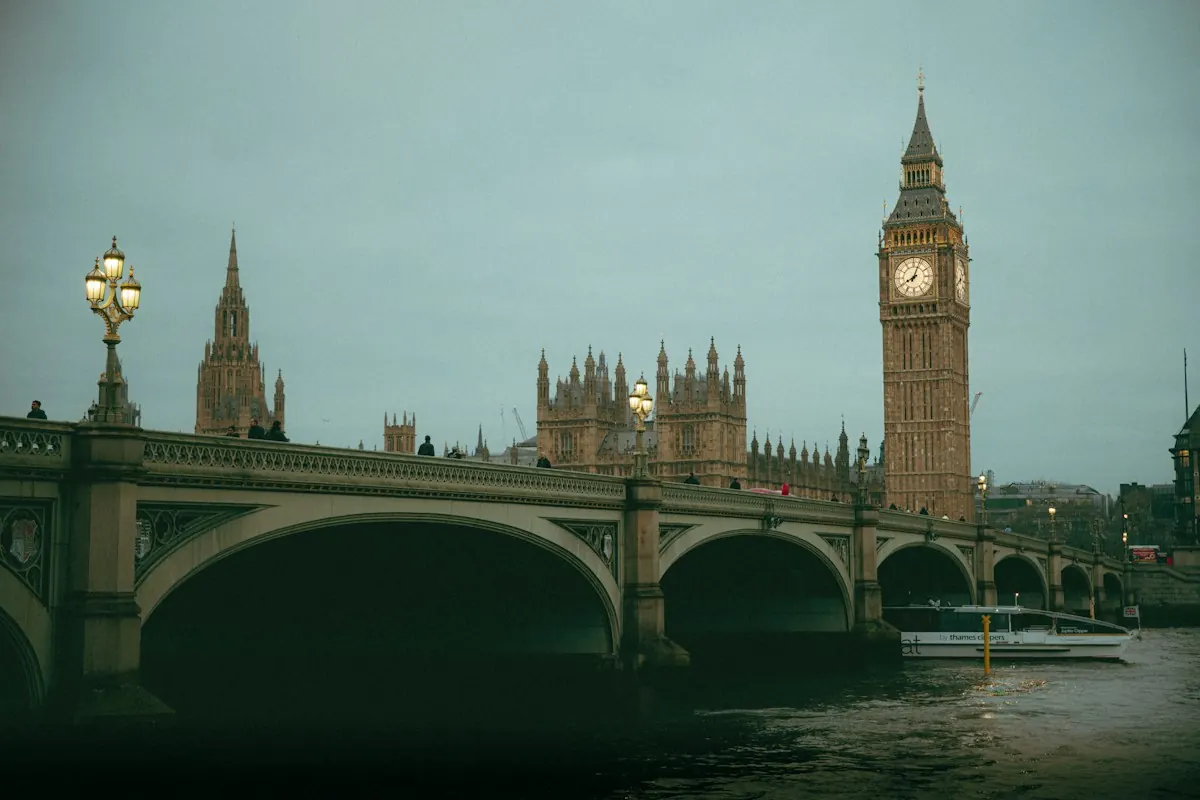
Balance: nothing in hand, and nothing owed. Eighty days, exactly.
Read nextThe wagerWhere all of this began, eighty days and one thousand four hundred and forty minutes earlier.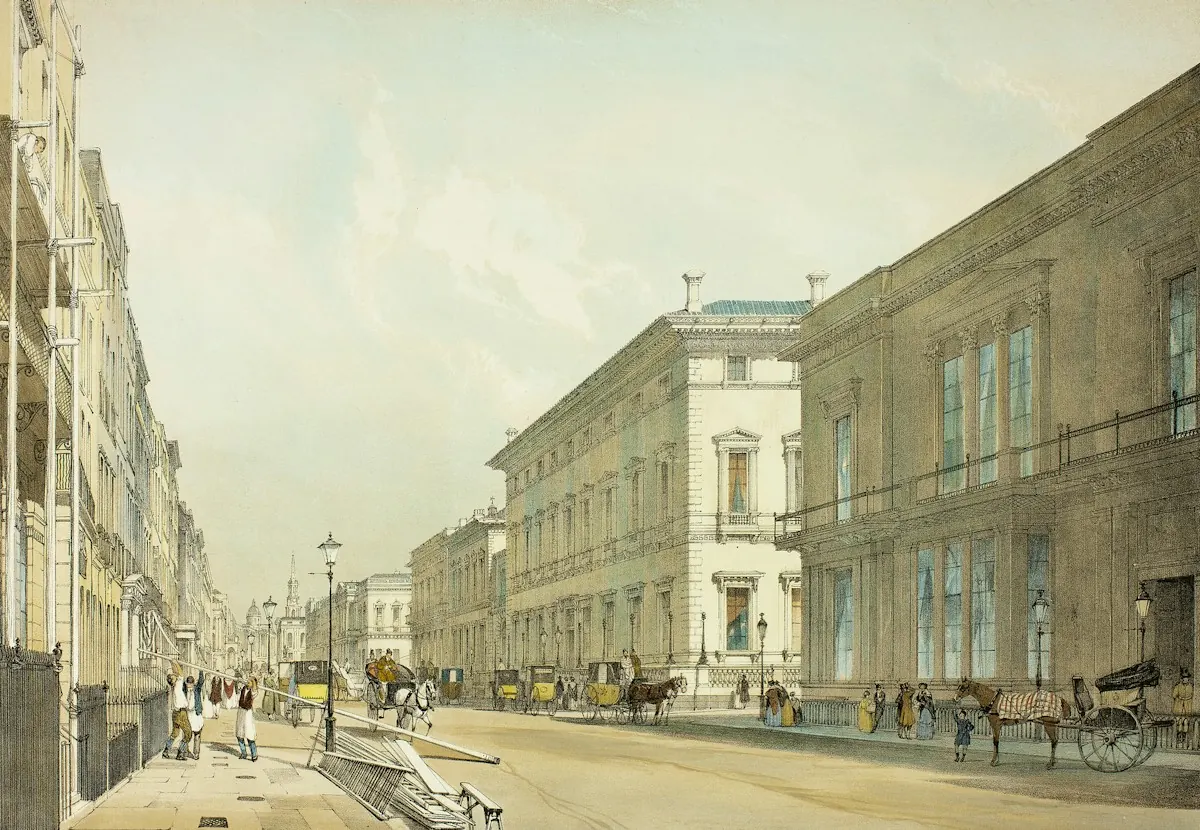
No. 7, Savile Row, and the Reform Club