
 United Kingdom · Autumn 1872
Part of: Around the world in eighty days · 3 of 28
3 · Mediterranean Sea · 5 – 20 Oct
Eleven days on the Mongolia

Trip details
- When
- 2 Oct – 21 Dec 1872
- How long
- 81 days
- Who went
- Me, Passepartout, and from Pillaji, Aouda
- Stops
- 28
- Getting around
- 40,000 km by steamer, rail, elephant and sledge
In this story · 3 chapters
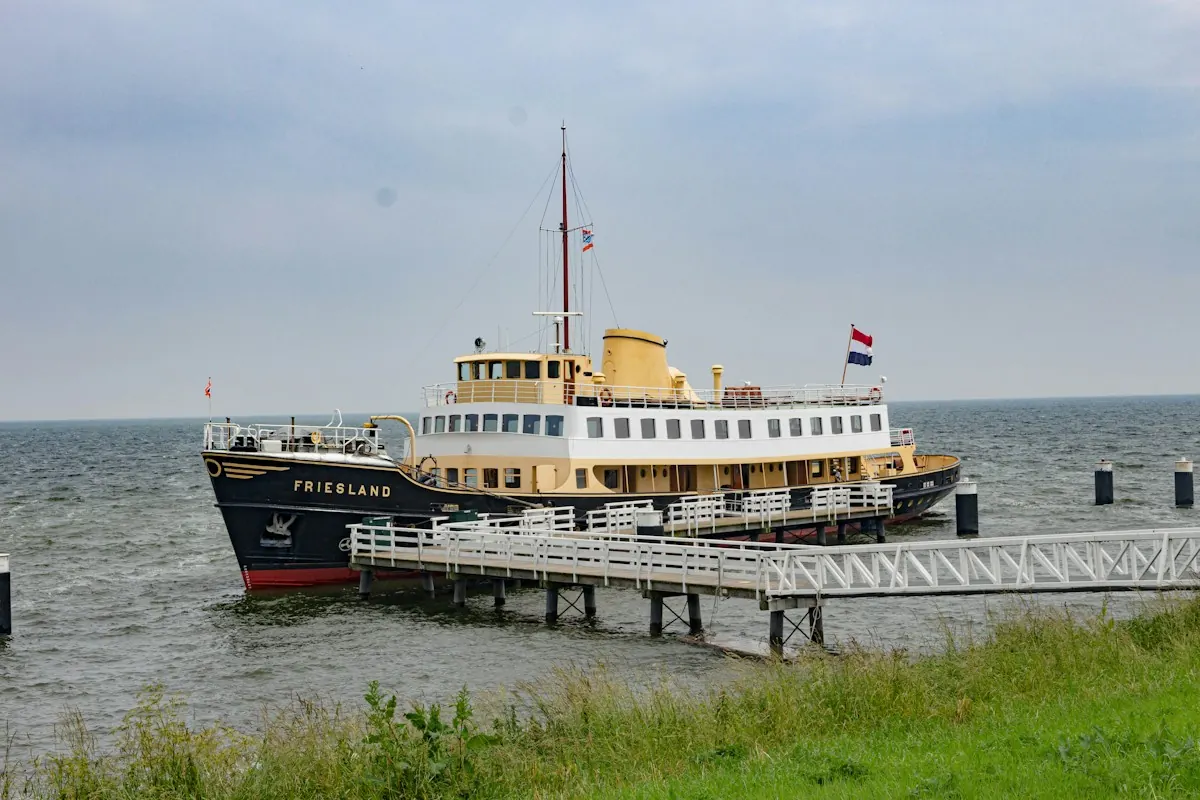
The Mongolia is an iron screw steamer of the Peninsular and Oriental Company, of some two thousand eight hundred tons and five hundred horsepower. She is under contract to reach Bombay from Brindisi in a fixed number of days, and her company pays her engineers a premium for every day she comes in early. I mention this because it is the most sensible arrangement I encountered in the whole of the journey, and I should like to see it adopted more widely.
We sailed from Brindisi on the evening of Saturday the 5th of October, crossed the Mediterranean in fair weather and came into Suez at eleven in the morning of Wednesday the 9th: the day the Chronicle had allowed. I went ashore at once to the British consul to have my passport visaed, as I had promised my partners, and returned on board to breakfast. That is all I saw of Suez, and it was enough.
01 Suez, and a man on the quay
Passepartout saw rather more. While I was with the consul, he was approached on the quay by a slight man with sharp eyes, who asked him the way to the consulate, and then, having been told, asked him a good many other things: who his master was, where we had come from, why we were in such a hurry, how much money I travelled with. Passepartout, who is a friendly soul and had been two days at sea, told him nearly everything. He told him, among other things, that we had left London at a quarter of an hour's notice with a great deal of money in a carpet bag.
The man gave his name as Fix. He was very interested. He came out to the ship to see us off and contrived to sail with us. I took him, on the few occasions I noticed him, for a clerk of some kind going out to India. I learned only much later that he was a detective of the Metropolitan Police, sent to Suez to watch for the Bank robber, and that from the moment Passepartout described me he was certain he had found his man. A gentleman who leaves London suddenly, with a bag of banknotes and no luggage, on the evening of a robbery that has no culprit: I can see how it looked. I might have reached the same conclusion myself, if I had been in the habit of drawing conclusions about strangers.
He had hoped, I gather, that the consul would refuse my visa and so give him an excuse to hold me until a warrant arrived from London. The consul, quite properly, saw no reason to refuse a gentleman with a valid passport. Fix was disappointed. It was not the last time.
Passepartout, meanwhile, discovered at Suez that his watch did not agree with the clocks. It is a large silver watch that belonged to his great-grandfather and he holds it to be the best in Europe. He had not altered it since London, and refused to alter it now, on the ground that it was right and the sun was wrong. Fix told him that it would be right again only when he was back in London. Passepartout found this very satisfactory.
02 The Red Sea, and whist
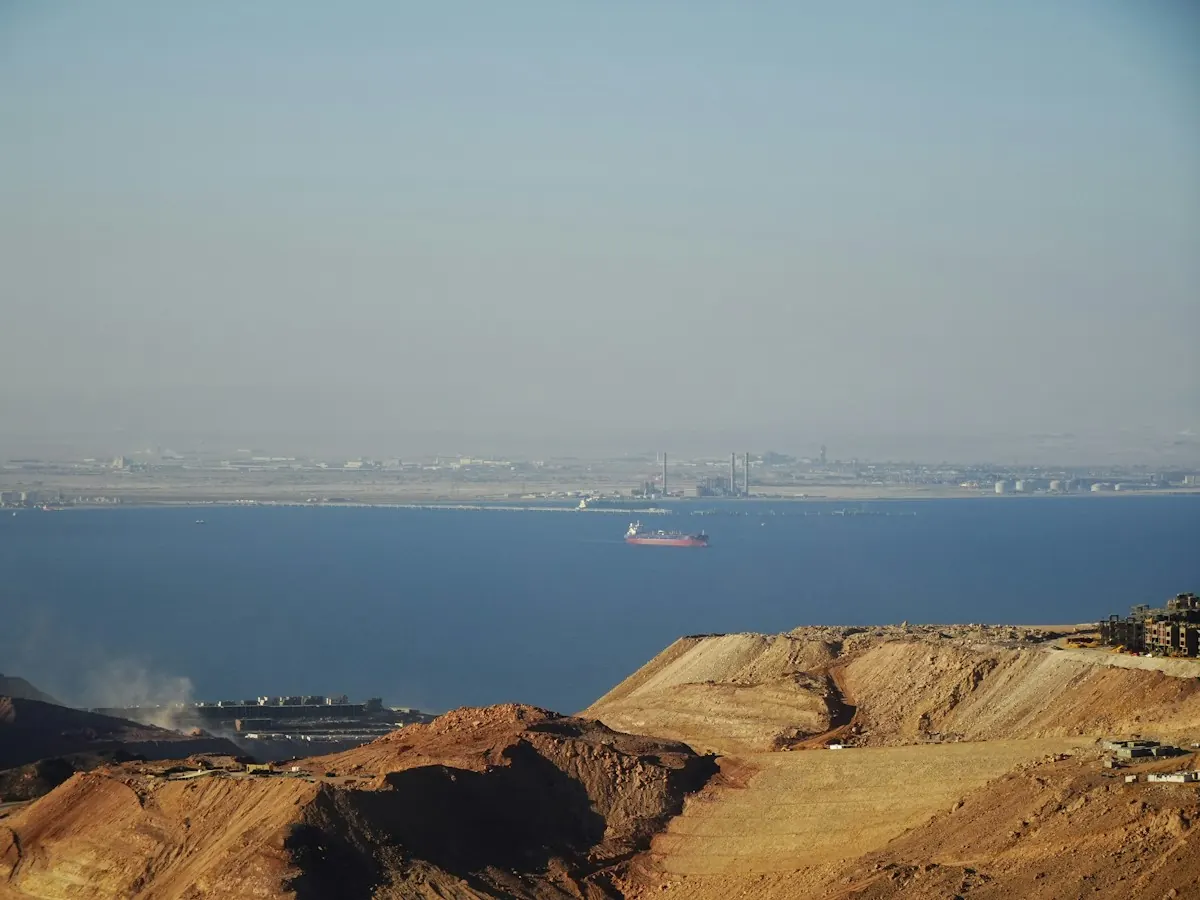
The Red Sea is long, hot and narrow, and is reputed to be difficult. We found it merely hot. The ship rolled a little south of Jeddah, and a number of passengers retired to their cabins and were not seen at dinner. I was not affected. I had in any case found a table.
There were three gentlemen aboard as fond of whist as I am: a collector of revenue on his way to a post at Goa, a clergyman returning to his parish in Bombay, and a brigadier-general of the army rejoining his brigade at Benares. We played from breakfast to luncheon, from luncheon to dinner, and for some hours after. The clergyman played a careful game and counted trumps aloud, which I deprecate. The brigadier played boldly and lost more than he won. The collector kept a small book in which he entered each rubber, and I came to think well of him.
I do not record the scores. It is enough to say that whist at sea is better than whist at home, because nobody interrupts it with news.
Passepartout, who has no interest in cards, spent the voyage eating, sleeping, watching the sea, and talking to Fix, who had attached himself to him and bought him several glasses of something at the bar. He reported to me, in all innocence, that Mr Fix was a most agreeable man and very curious about my habits. I said that a great many people were curious about my habits and that I did not mind it, provided they did not alter them.
03 Aden
We put in at Aden on the evening of Monday the 14th of October to take on coal. The harbour lies inside an old volcano and is very hot, with high bare rock all round it, and the town has the air of a place where nothing grows and everything is brought in by ship, which I am told is the case. I went ashore again to have my passport visaed. Passepartout went ashore to look at the town and came back pleased with it. Fix went ashore, I now understand, to see whether a warrant had arrived for him by telegraph. It had not.
We sailed again at six that evening, through the strait into the Indian Ocean, and the engineers, with a premium in view, gave the Mongolia everything she had. The sea was kind. The north-east monsoon had begun to blow and we carried sail as well as steam. Bombay was due on Tuesday the 22nd of October.
We came in sight of the Indian coast on the morning of Sunday the 20th and were tied up in Bombay at half past four that afternoon. The brigadier and I had just finished a rubber, and it was a good one: we took thirteen tricks, a grand slam, which I mention because it happens less often than it ought to.
The engineers had their premium. My partners in London, had they been there, would have had to concede that the Chronicle was not merely right but pessimistic.
Balance: two days in hand. I entered them in my notebook under the heading of gains, though I do not expect to keep them.
Aboard the Mongolia